Should I Buy First or Sell First in Sammamish?

If you're asking this question right now, you're probably not asking it casually. You're asking it because you're genuinely ready to move — but the thought of being stuck with two mortgages in a slow market, or selling your home without having somewhere to go, is keeping you up at night.
Here's the honest answer: there is no single right answer that applies to every seller. But there is a right answer for your specific situation — and figuring out which one it is requires an honest look at your finances, your timeline, and the market you're actually selling into.
I'm Maggie Vreeburg. I've been a Sammamish real estate agent for 35 years, and this is one of the most common questions I sit with sellers to work through right now. In today's slower market, with inventory stacking up and homes sitting longer than they used to, the fear behind this question is bigger than I've seen it in a while. Let me give you the clearest framework I know for thinking it through.
Why This Question Feels Harder Right Now
In a hot market — the kind Sammamish experienced a few years ago — this question was simpler. Homes sold in days, sometimes hours. Sellers could list, get an offer quickly, and use that timeline to find their next home with confidence. The market moved fast enough that the sequencing almost took care of itself.
Today's market is different. Inventory is building. Homes are sitting longer. Buyers have more options and they're taking their time. That reality changes how sellers need to think about sequencing — because the compressed timelines that made "sell first, then buy" feel manageable aren't there anymore. And the uncertainty around how long your home will take to sell makes "buy first" feel riskier than it used to.
Both fears are legitimate. The question is which one you can actually manage.
"I've written specifically about what's happening in today's Sammamish market and what sellers need to know right now." → https://www.maggievreeburghomes.com/blogs/is-now-a-bad-time-to-sell-in-sammamish-what-sellers-need-to-know-about-todays-market
The Case for Selling First
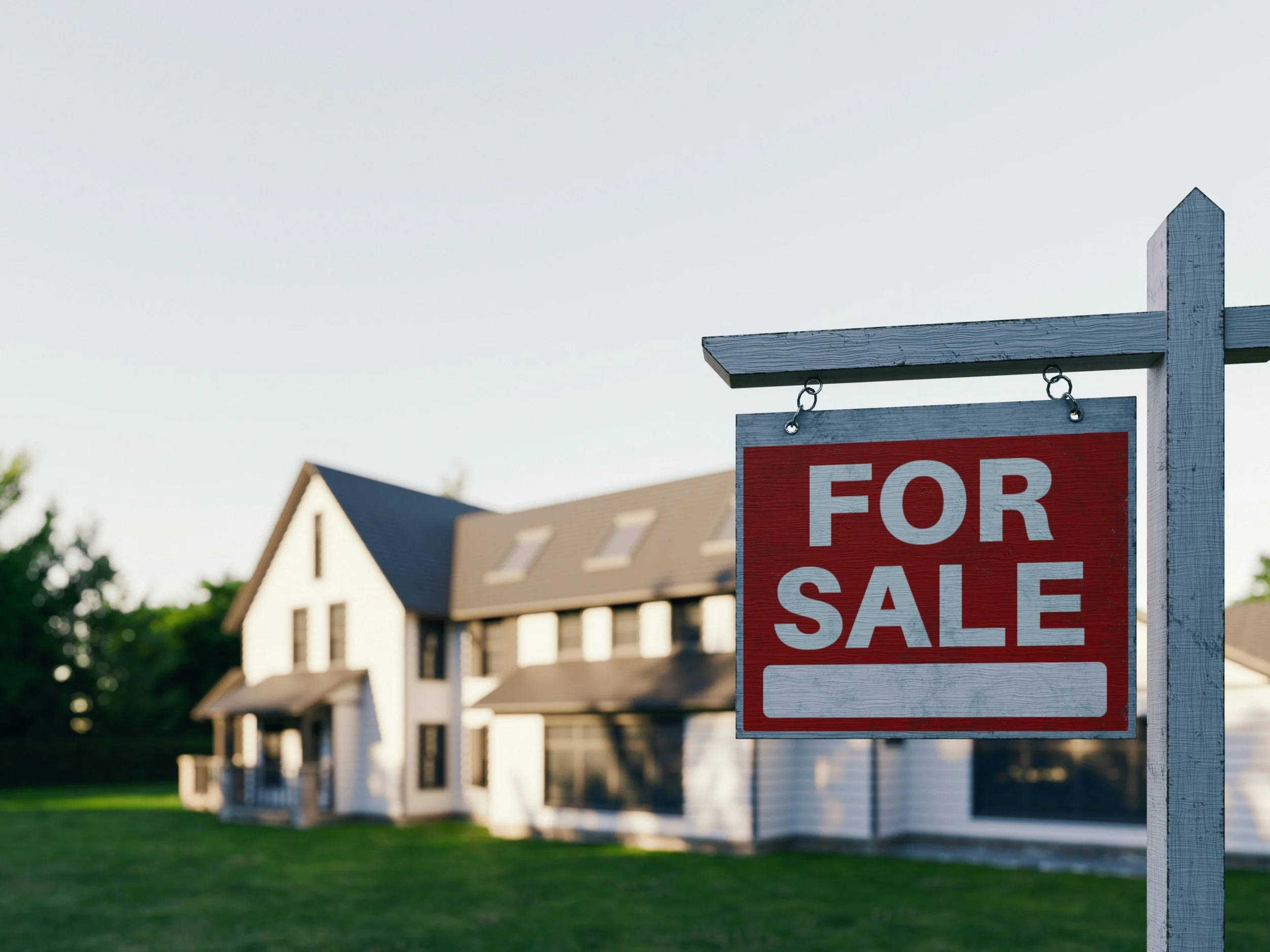
Selling first is the more financially conservative choice, and in a slower market, it has real advantages.
You know exactly what you have to work with. There's no guessing about what your home will sell for, no carrying two mortgages through a longer-than-expected sale, and no negotiating from a position of desperation on your next purchase because you're racing a closing deadline.
You also have more leverage as a buyer. When you don't have a home sale contingency attached to your offer, sellers take you more seriously. In a market where sellers are working harder to attract buyers, a clean offer from a non-contingent buyer stands out. That negotiating position can translate to real money — a lower price, seller-paid closing costs, or more favorable terms.
The trade-off is the gap. If you sell first and your next home takes longer to find than expected, you may need to rent temporarily, move twice, or store your belongings. That's inconvenient and adds cost. But for many sellers it's a more manageable problem than the alternative.
I had an older couple whose situation made selling first the obvious answer. The wife could no longer manage stairs and they were ready to get back to their home in Arizona. Their timeline was clear, their next destination was set, and they didn't need to find a replacement home in Sammamish. We focused entirely on getting their current home sold well, which we did — in a slow market, with minimal effort on their part and a lot of effort on mine. They closed and moved on to the next chapter. For them, the sequence was never really a question.
"For the full step-by-step walkthrough of what the selling process looks like in Sammamish, I've covered that separately." → https://www.maggievreeburghomes.com/blogs/what-is-the-home-selling-process-like-in-sammamish-wa
The Case for Buying First

Buying first makes sense when you have a clear financial cushion, you've found a home you genuinely don't want to lose, and the cost of carrying two mortgages temporarily is something you can absorb without serious strain.
In today's market, there's actually an argument for buying first that didn't exist as strongly a few years ago. Buyers have more negotiating power than they've had in years. Homes that were selling over asking are now selling at or below. The buyer who moves decisively and with cash or strong financing can negotiate terms that weren't available during the frenzy. If you wait until your home sells before you buy, you may find yourself competing for the same homes with other sellers-turned-buyers who all hit the market at the same time.
I had a seller who needed to make exactly this choice. She needed to downsize into a no-stairs, no-yard home — health reasons made this non-negotiable. When we found the right home, she didn't want to lose it to another buyer while waiting for her current home to sell. We moved on the purchase first, then I managed every piece of preparing and selling her current home — repairs, staging, coordination, all of it. Both transactions closed successfully. She never had to feel like she was living in limbo or rushing a decision she wasn't ready to make.
That outcome was possible because her finances could support the overlap, even temporarily. And because she had someone managing the sale who treated it with the same urgency she would have if she'd been there every day. Which I did.
"For the full step-by-step walkthrough of what the buying process looks like in Sammamish, I've covered that separately." → https://www.maggievreeburghomes.com/blogs/what-is-the-home-buying-process-like-in-sammamish-wa
The Questions That Actually Determine the Answer
Rather than a blanket rule, here are the questions I walk through with every seller facing this decision:
Can you financially carry two mortgages, even temporarily? This is the foundational question. Run the actual numbers. What would your monthly obligations look like if your current home took 60 to 90 days to sell after you closed on the next one? If that scenario is manageable, buying first becomes a real option. If it would create genuine financial stress, selling first protects you.
How specific is your next home? If you're moving to another state, downsizing to a specific type of property that's limited in inventory, or relocating for a job with a fixed start date — the pressure to secure your next situation first may outweigh the risk of carrying two properties. If you're flexible on what comes next, selling first gives you more time and clarity.
How long do you think your current home will realistically take to sell? In today's Sammamish market, a well-prepared, accurately priced home in a desirable neighborhood can still sell in two to three weeks. A home that's overpriced or under-prepared may sit for months. Be honest about which category your home falls into before you decide the sequence.
What's your risk tolerance? Some sellers sleep better knowing exactly what they netted from their sale before they commit to anything else. Others are more comfortable moving decisively on the right opportunity and managing the financial overlap. Neither is wrong. But knowing which type of person you are matters for how you'll feel about the process once it's underway.
"If you want to understand exactly what your home is worth before making any of these decisions, that's the right place to start." → https://www.maggievreeburghomes.com/blogs/what-is-my-sammamish-home-worth
What Happens in the Gap — Practical Options
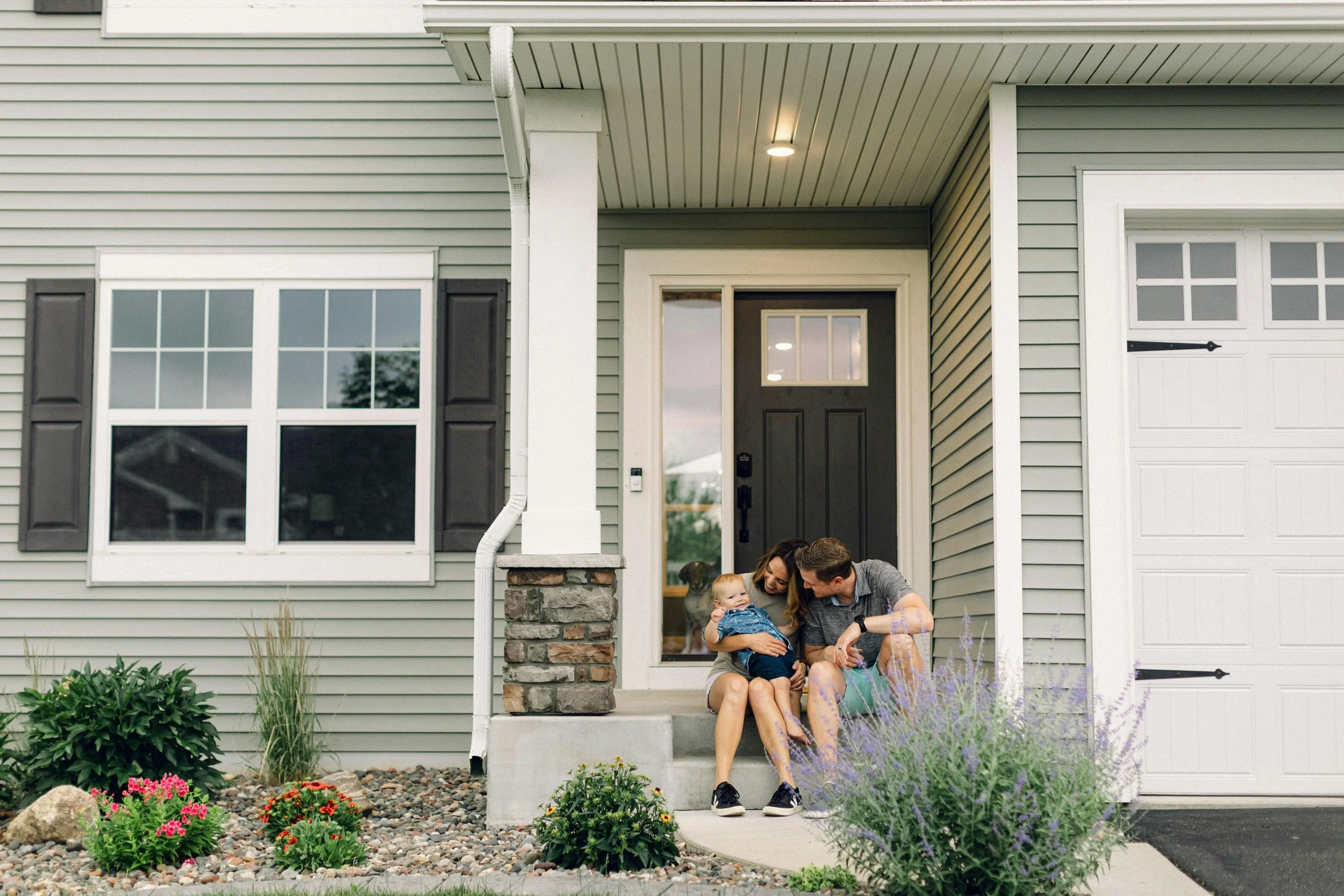
If you sell first and haven't found your next home yet, you have more options than most sellers realize.
Rent-back agreements: In some transactions, you can negotiate with your buyer to remain in the home for 30 to 60 days after closing — at a daily rental rate — while you continue your search. This isn't always possible, especially in a market where buyers have leverage, but it's worth exploring.
Short-term rentals: Month-to-month apartment rentals or furnished short-term rentals give you flexibility without a long commitment. The cost is real, but it's often less than the cost of making a rushed decision on your next home because you're under pressure.
Extended closing timelines: When you're buying your next home, you can sometimes negotiate a longer closing timeline — 45 to 60 days instead of the standard 30 — which gives your current home more time to sell before you need to close on the purchase.
The Mistake I See Most Often
The most common mistake sellers make with this decision is letting fear drive the sequencing rather than their actual financial situation.
Sellers who are afraid of carrying two mortgages sometimes wait to buy until their home is sold — and then rush their next purchase under pressure. Sellers who are afraid of having nowhere to go sometimes buy before they've run the real numbers and end up under genuine financial strain.
The answer isn't in the emotion. It's in the math and the plan.
I've watched sellers get this sequence exactly wrong because they made the decision based on what felt safer rather than what was actually safer for their specific situation. The felt safety and the actual safety are often different things. That's exactly the conversation I have before we list a single home. Not after something goes wrong.
Common Mistakes Sellers Make with This Decision
Assuming "sell first" is always the safe choice. In some situations, it is. In others — particularly when you have financial flexibility and a specific home you don't want to lose — buying first protects you from making a compromised purchase under time pressure.
Not running the actual numbers on carrying two mortgages. Most sellers imagine this scenario as catastrophic without actually calculating what it would cost. Sometimes the real number is more manageable than the fear.
Overestimating how long it will take to find the next home. In today's market, buyers have more choices than they've had in years. Finding the right next home often happens faster than sellers expect once they're actively looking.
Underestimating how long the current home might take to sell. In a slower market, optimistic assumptions about sale timelines can create real problems. Price it right and prepare it well before you make any commitments on the buy side.
Making this decision without a plan for the gap. Whether you sell first or buy first, have a plan for what happens in between. Undefined gaps are where the stress lives.
Frequently Asked Questions
Should I sell my Sammamish home before buying another one? It depends on your financial situation, timeline, and risk tolerance. Selling first gives you clarity and negotiating power as a buyer. Buying first lets you move decisively on the right home without rushing. The right answer is specific to your situation, not a blanket rule.
Can I make an offer on a home while my Sammamish home is still on the market? Yes. You can make an offer with a home sale contingency — meaning the purchase is contingent on your current home selling. In today's market, some sellers will accept this. Others won't, especially if they have competing offers without contingencies. A contingency offer in today's market is sometimes possible — and sometimes a deal-killer. Worth knowing which situation you're walking into before you make the offer.
What happens if my home doesn't sell as quickly as I expected after I've already bought? This is the core risk of buying first. If your home takes longer to sell than expected, you carry two mortgages until it closes. This is why running the real numbers before you commit is essential — you need to know what that scenario actually costs and whether you can absorb it without genuine financial hardship.
Is it harder to buy a home in Sammamish right now while trying to sell at the same time? Today's market actually works in your favor as a buyer. More inventory, less competition, and more negotiating power mean buyers are in a stronger position than they've been in years. The challenge is on the sell side — making sure your current home is priced and prepared well enough to move in a more selective market.
How do I know if my Sammamish home is ready to sell before I start looking for my next one? Get a walkthrough consultation from a local agent who will tell you the honest truth about what your home needs before it goes on the market. That conversation should happen before you make any decisions about sequencing, because the condition and pricing of your current home directly affects how long it will take to sell — which is the single biggest variable in this whole equation.
Let's Figure Out the Right Sequence for Your Situation

This decision deserves a real conversation, not a generic answer from a website. If you're thinking about making a move in Sammamish and you're not sure whether to buy first or sell first, let's sit down and look at your specific numbers, your timeline, and what the market is actually doing right now.
Dig with the right questions, stop talking, and actually listen to what a seller is afraid of. That's when the right plan starts to take shape. That's when I come in.
Maggie Vreeburg | Sammamish Real Estate Agent & REALTOR®maggievreeburghomes.com 425-417-4663 Hello@MaggieVreeburgHomes.com
