The Honest Pros and Cons of Living in Sammamish, WA
If you've already read the glowing reviews of Sammamish — the safety rankings, the school ratings, the "best places to live" lists — and you're now looking for someone to tell you what's actually hard about living here, you've found the right article.
I'm Maggie Vreeburg. I've been a real estate agent in Sammamish for 35 years. I've watched thousands of families move here, thrive here, and occasionally decide it wasn't the right fit. I know what people love about this place and I know what drives them crazy. Both are worth knowing before you sign a purchase agreement.
This isn't a sales pitch. It's the honest version.
The Pros
Safety That's Genuinely Exceptional
Sammamish consistently ranks as the number one safest city in Washington state according to SafeWise. The overall crime rate runs 71 percent lower than the national average. Violent crime runs 93 percent lower than the national average.
I've been here long enough to remember when this wasn't a given on the Eastside. It is here. Families walk trails after dinner. Kids ride bikes on streets without supervision. Neighbors actually know each other. That culture of safety isn't just a statistic — it's woven into daily life in a way that makes a real difference in how people feel coming home every night.
"I've written more about what makes Sammamish a good place to live — including safety data, community feel, and lifestyle — in more depth separately." → https://www.maggievreeburghomes.com/blogs/is-sammamish-wa-a-good-place-to-live
Schools That Are Consistently Strong
Sammamish is served by two exceptional school districts. The Lake Washington School District ranks fourth out of 247 districts in Washington state. The Issaquah School District ranks third. Both are exceptional. For most Sammamish addresses, you're getting access to one of the strongest K-12 systems in the entire Pacific Northwest.
What I tell buyers is: the school quality here isn't concentrated in one or two marquee schools. It's consistent across the district. You're not gambling on which elementary school boundary you land in the way you might in a larger, more uneven district.
"For a full breakdown of which neighborhoods feed into which schools, I've covered that in detail separately." → https://www.maggievreeburghomes.com/blogs/which-sammamish-neighborhoods-have-the-best-schools
More Space for Your Money Than Almost Anywhere on the Eastside
Compared to Bellevue, Kirkland, or Redmond at comparable price points, Sammamish consistently delivers more square footage, larger lots, and more mature landscaping. The median household income here is approximately $247,000 — which reflects the demographic reality that most Sammamish buyers are dual-income tech professionals who made a deliberate choice to trade some urban convenience for more space.
If you have kids, work from home some or most of the time, or simply want a yard that actually functions as a yard — Sammamish delivers that in a way the denser Eastside cities don't.
Outdoor Access That's Genuinely Exceptional
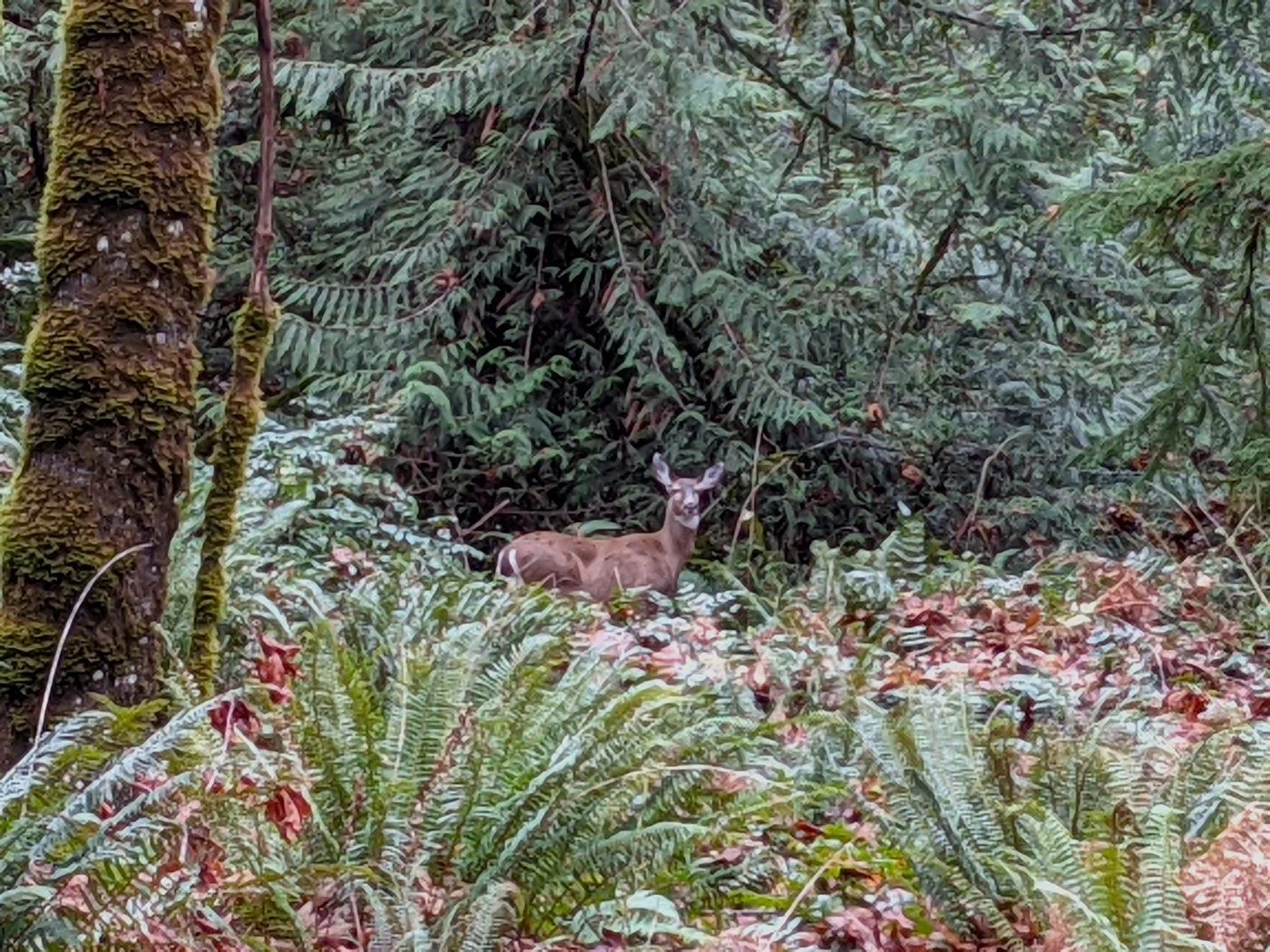
Soaring Eagle Regional Park is 600 acres of Pacific Northwest wilderness bordering Trossachs and other southeastern neighborhoods directly. Duthie Hill Mountain Bike Park draws riders from across the region. Beaver Lake Park, Pine Lake Park, the East Lake Sammamish Trail, and 30-plus miles of internal trails in neighborhoods like Klahanie give residents more daily outdoor access than most suburban communities in the country.
This isn't a marketing line. It's what I watch people actually do here every day — walk before work, run after dinner, mountain bike on weekends. The outdoor infrastructure is genuinely woven into the rhythm of daily life, not just a weekend amenity you drive to.
A Community That Actually Feels Like One
Sammamish was largely built through master-planned neighborhoods that were designed around shared spaces — community pools, parks, greenbelts, internal trails. That design creates something that most suburban communities don't have: neighbors who actually interact.
After 35 years here, I've watched the same phenomenon play out repeatedly. People move from somewhere more urban, expecting Sammamish to be another anonymous suburb. Within six months they know their neighbors. Within a year they're involved in the community in ways they haven't been since they were kids. That's not accidental. It's baked into how this place was built.
No State Income Tax
Washington state has no state income tax. For dual-income tech households earning well above the national median, this is a meaningful financial advantage — particularly for buyers coming from California, New York, or other high-income-tax states. It doesn't make housing affordable, but it changes the total financial picture meaningfully for the households that move here.
The Cons
The Cost Is Real and It Doesn't Apologize for It
The median home price in Sammamish sits at approximately $1.5 million. Property taxes run at an effective rate of around 0.81 percent — roughly $12,000 to $15,000 per year on a median home. Most neighborhoods have HOA fees ranging from $60 to $200 per month depending on what the association manages. Most purchases require jumbo loans with stricter qualification requirements than conventional financing.
I won't sugarcoat this. Sammamish is expensive by any reasonable measure. The household income here reflects who can afford to live here — and that population is narrower than most cities. If you're stretching to make the numbers work, that strain doesn't get easier after you move in.
You Will Need a Car. Full Stop.
Sammamish has no walkable downtown. There is no urban core you can stroll to for dinner on a Tuesday night. The QFC shopping center inside Klahanie and a handful of local retail nodes scattered around the plateau are the closest thing to daily walkable convenience — and even those require a short drive from most addresses.
This is the trade-off that surprises buyers who come from more urban environments. You are buying a suburban lifestyle on a plateau. The outdoor access is exceptional. The restaurant scene is not. If walking to dinner or having real neighborhood retail energy is part of how you want to live daily, Sammamish is going to disappoint you. This is not a small thing. I've watched people move here from Capitol Hill or Fremont expecting a quieter version of what they had, and find out too late that quiet and walkable are two different things.
Traffic Is Genuinely Frustrating
The Sammamish Plateau has limited access points — primarily through a handful of arterials including 228th Avenue SE, SE 8th Street, and the Issaquah-Pine Lake Road corridor. During peak commute hours, these roads back up. Getting on and off the plateau during rush hour is one of the most consistent complaints I hear from long-term residents, and it's legitimate.
The average commute time for Sammamish residents is approximately 29 minutes — but that number varies dramatically by neighborhood, destination, and time of day. Northern neighborhoods with SR-520 access manage this better. Southern and southeastern neighborhoods feel it more. Drive your specific commute route during actual rush hour before you commit to any address. I say this to every buyer and I mean it.
"For a full neighborhood-by-neighborhood commute breakdown, I've written about that in detail separately." → https://www.maggievreeburghomes.com/blogs/what-is-the-commute-like-from-sammamish-to-microsoft-amazon-and-seattle
The Restaurant and Nightlife Scene Is Thin
This is the con that shows up most consistently in real resident reviews of Sammamish — and it's honest. The dining options on the plateau are limited compared to what you'd find in Bellevue, Redmond, or Kirkland. There are solid options, but the depth of choice that most urban transplants are used to simply isn't here.
Issaquah, five to ten minutes south, adds meaningful options. Bellevue and Redmond are 20 to 30 minutes away and have real restaurant and entertainment scenes. But if you're used to walking out your front door and having twenty choices for dinner, Sammamish is going to require an adjustment.
It Can Feel Like a Bubble
Sammamish is demographically similar in ways that reflect its economic profile — highly educated, dual-income professional households, overwhelmingly homeowners. That homogeneity creates a strong community culture but also a certain insularity that some residents notice and some find limiting.
The feedback from Niche reviews and long-term residents touches on this consistently. If you thrive in diverse, eclectic, culturally varied environments, the cultural range of Sammamish is narrower than some people expect. This isn't a character flaw in the community — it's a reflection of who can afford to live here and what they tend to value. But it's worth knowing.
Car Dependency Compounds With Kids
A specific version of the car dependency problem deserves its own mention: if you have kids in activities, you will spend a significant amount of time driving them. Sammamish's layout means most youth sports, music lessons, extracurricular programs, and social activities require a parent behind the wheel. This isn't unique to Sammamish, but it's more pronounced here than in denser communities where kids can eventually move independently.
This isn't a dealbreaker for most families — it's simply a real dimension of the lifestyle that parents should factor in.
The Winters Are Dark and Wet
This applies to the entire Pacific Northwest, but it's worth naming for buyers coming from sunnier climates. Sammamish averages about 145 sunny days per year. From October through March, overcast skies and rain are the norm, not the exception. The greenery is extraordinary because of this rainfall — but the psychological adjustment for people who haven't lived in the Pacific Northwest before is real and worth taking seriously.
Some people adapt quickly. Others genuinely struggle. If you've never spent a winter in the Pacific Northwest, consider visiting in January before you commit.
Who Thrives Here and Who Doesn't
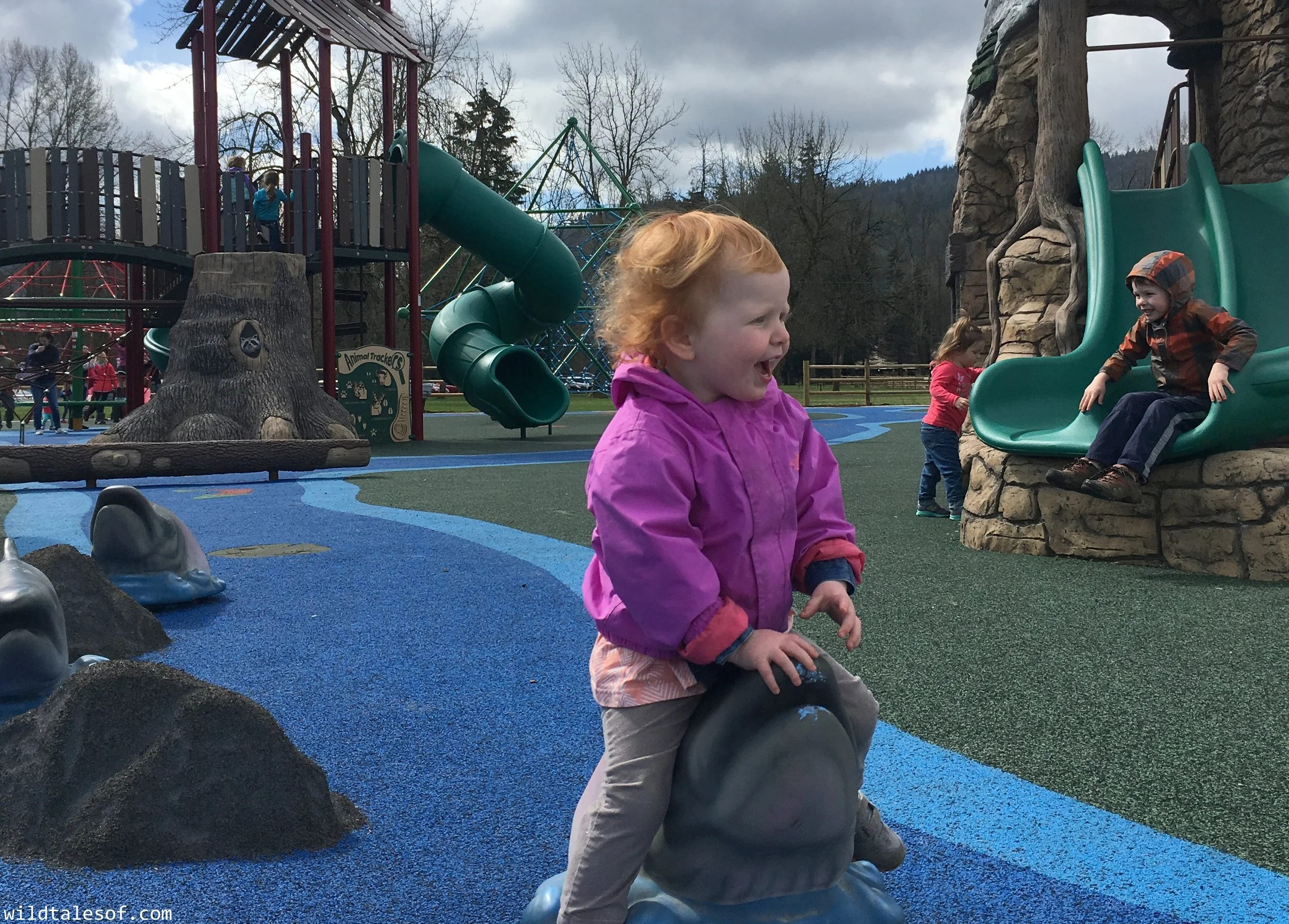
After 35 years, here's what I've observed about who lands well in Sammamish and who doesn't.
People who thrive here tend to be outdoor-oriented, value space over urban energy, work in tech on the Eastside, have kids whose schools and activities anchor their social life, and find community through their neighborhood rather than through urban social scenes.
People who struggle here tend to miss walkability and urban energy more than they expected, find the limited restaurant and entertainment scene constraining, work in Seattle and find the daily commute across the lake more draining than they anticipated, or moved here primarily for the schools and find that the lifestyle doesn't fit how they actually want to live.
The honest version of this is: Sammamish is an exceptional place to live for a specific kind of life. It's not an exceptional place to live for every kind of life. Knowing which one you're living before you move here is worth the time it takes to figure out.
"If you're weighing Sammamish against Bellevue or Redmond specifically, I've done full honest comparisons of both." → https://www.maggievreeburghomes.com/blogs/moving-to-the-eastside-sammamish-vs-bellevue-whats-the-real-difference
Common Mistakes Buyers Make When Evaluating Sammamish
Falling in love with the safety rankings and school ratings without spending time on the plateau during winter. January and February reveal a side of this place that July doesn't.
Underestimating how much the car dependency affects daily quality of life. Test driving your specific commute and your specific errand patterns before you commit.
Assuming the restaurant and entertainment scene will expand significantly. It has grown over the years, but Sammamish is not becoming an urban center. It's a suburb and it's going to stay one.
Overweighting the statistics and underweighting the feel. Drive around on a weekday evening. See what's open. See what's busy. See if that's the daily life you want to come home to.
Frequently Asked Questions
What are the biggest downsides of living in Sammamish, WA? The most consistent complaints from actual residents: high cost of living, limited restaurant and nightlife scene, car dependency with no walkable downtown, and plateau traffic during peak commute hours. None of these are dealbreakers for the right buyer — but all of them are real.
Is Sammamish too expensive? For most buyers outside of dual-income tech households, yes. The median home price sits around $1.5 million with property taxes, HOA fees, and jumbo loan requirements on top. Washington has no state income tax, which helps — but the entry cost is genuinely high.
Does Sammamish have good restaurants? The honest answer is: decent, not exceptional. The plateau has solid options, and Issaquah five to ten minutes south adds more. Bellevue and Redmond have real restaurant scenes within 20 to 30 minutes. But buyers coming from urban environments with walkable dining options will notice the difference.
What is winter like in Sammamish, WA? Overcast, rainy, and dark from roughly October through March. About 145 sunny days per year overall. The greenery is beautiful because of the rainfall — but the adjustment for buyers from sunnier climates is real. Visit in January before you decide.
Is Sammamish a good fit if I work in downtown Seattle? It depends on your commute tolerance. Most Sammamish neighborhoods are 30 to 50 minutes from downtown Seattle by car. The drive-to-rail option via Redmond's Sound Transit 2 Line stations is available for northern Sammamish buyers. If you're in the office daily, that commute adds up. If you're hybrid two or three days a week, it's much more manageable.
The Bottom Line
Sammamish is genuinely one of the best places to live in the Pacific Northwest for the right person living the right life. The safety is real. The schools are real. The outdoor access is real. The community feel is real.
And the cost is real. The car dependency is real. The thin dining scene is real. The dark winters are real.
I've been here 35 years. I raised a family here. I wouldn't trade it. But I also tell every buyer the same thing I'll tell you: come here because this is the life you want, not because the rankings told you to. The rankings are accurate. They just don't capture everything.
Maggie Vreeburg | Sammamish Real Estate Agent & REALTOR®maggievreeburghomes.com 425-417-4663 Hello@MaggieVreeburgHomes.com
